


CinemaSerf
7/19/2025
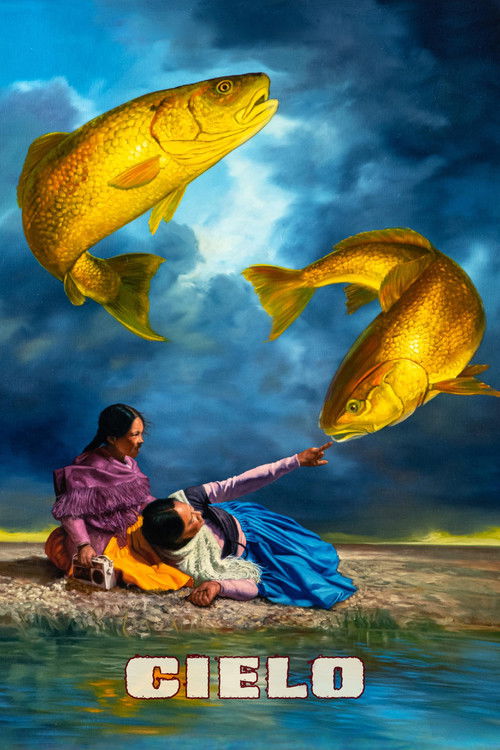
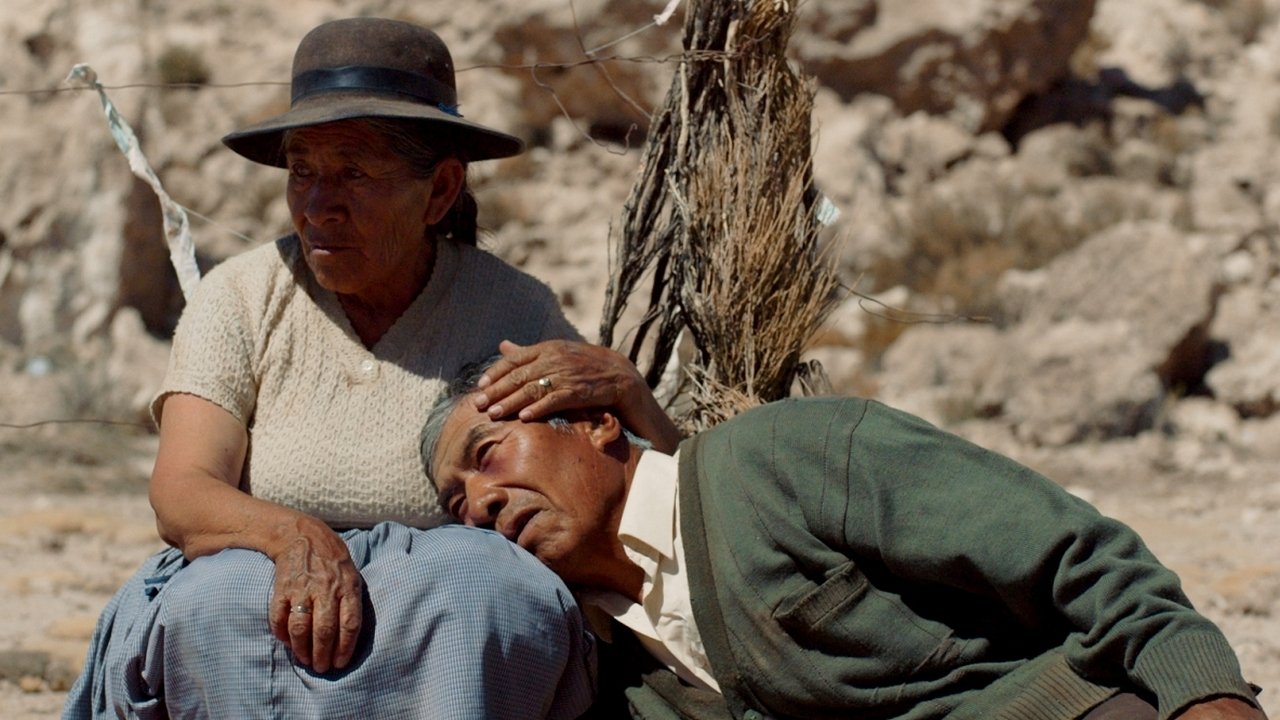
Living a subsistence existence almost 10,000 feet into the Central Andes, the ageing llama tending “Virginio” (José Calcina) and his wife “Sisa” (Luisa Quispe) are beginning to struggle. It hasn’t rained for very long time and the local wells have long-since run dry. It is “Sisa” who is charged with fetching the water, but with the journey to the lake now really beyond her strengths, the community are going to have to combine their resources if they are to water both their herds and themselves - or perhaps consider relocating to the towns where their skills would be redundant. This couple have a son, but he left to go to the city and they never see him. They do, however, see their grandson “Clever” (Santos Choque) now and again, but they always believe his visits are more out of duty than anything else. It is on one such visit that “Virginio” starts to show signs of sickness. He collapses whilst managing their flock and then resolutely refuses to consult an expensive physician. Indeed, he begins to think of his next life beyond the lake and of his wife having to accompany him. It’s this clash of cultures and attitudes that pitches the two generations into a conflict that is gently and stubbornly, but lovingly, played out. The photography of some beautifully pristine locations effectively illustrates the loneliness and isolation of their homeland, but it also shows us their satisfaction with their simple lives where nothing much ever changes from year to year except, crucially, the climate. They can hear the rumbles of thunder over the snow-capped mountaintops, but there is no rain for them as the wind blows relentlessly. It’s a gentle observation of a traditional way of life and of love that is steadily, but certainly, dying out.