Feature1968·95m·7.0

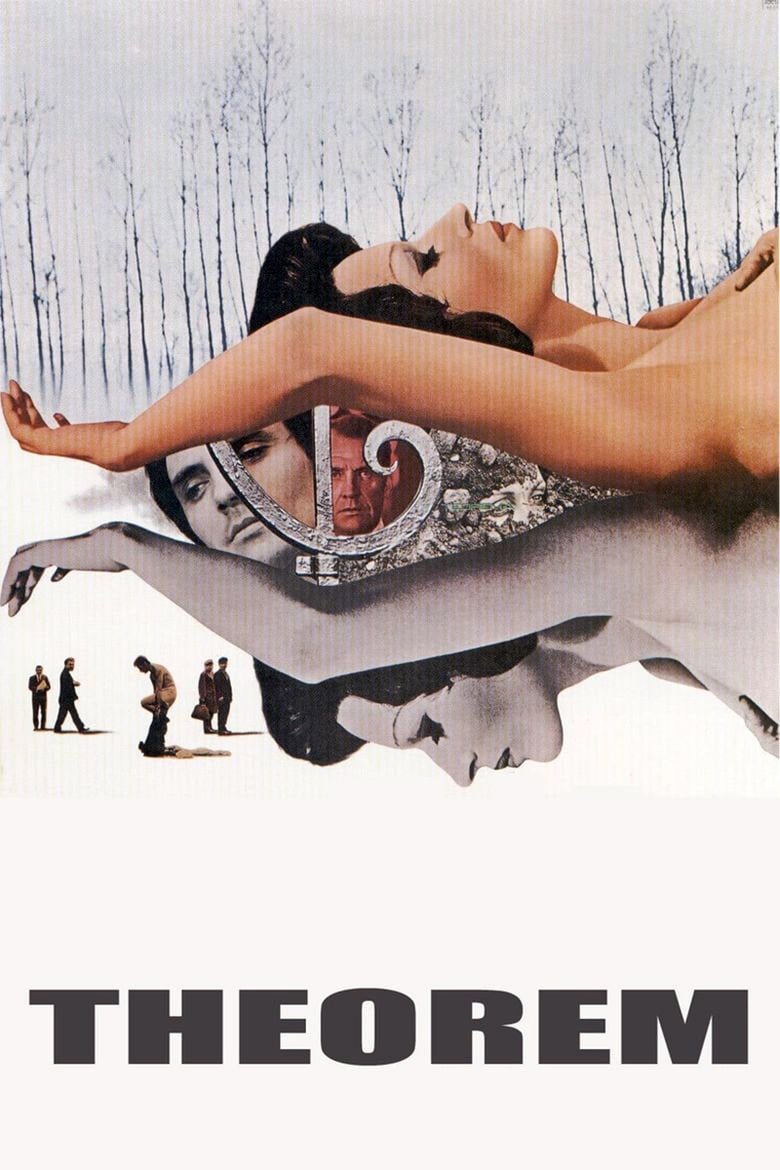
Theorem

There are only 923 words spoken in "Teorema" – but it says everything!

MysteryDrama

A wealthy Italian household is turned upside down when a handsome stranger arrives, seduces every family member and then disappears. Each has an epiphany of sorts, but none can figure out who the seductive visitor was or why he came.

Play now

Cast

Terence Stamp

The Visitor

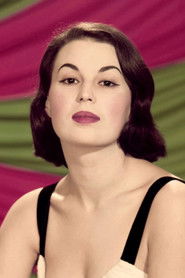
Silvana Mangano

Lucia, the Mother

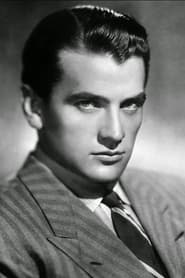
Massimo Girotti

Paolo, the Father

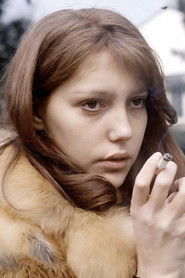
Anne Wiazemsky

Odetta, the Daughter

Andrés José Cruz Soublette

Pietro, the Son

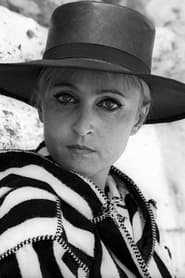
Laura Betti

Emilia, the Servant

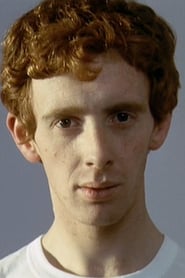
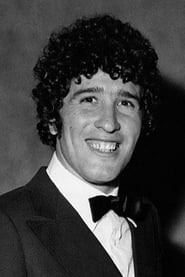
Ninetto Davoli

Angelino, the Messenger

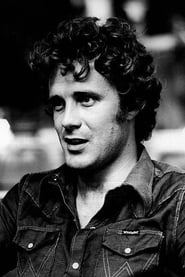
Carlo De Mejo

Lucia's first lover

Adele Cambria

Emilia, the Second Servant

Luigi Barbini

Boy at the station

Giovanni Ivan Scratuglia

Lucia's second lover

Alfonso Gatto

Doctor

Cesare Garboli

Interviewer (uncredited)

Susanna Pasolini

Old Peasant (uncredited)

Details

Status
Released
Original language
Italian
Languages
Italian
Budget
Revenue
Age rating
Quality
4K UHD · HDR10 · Dolby Vision
Production
Aetos Produzioni CinematograficheB.R.C. Produzione Film

Crew

Director

Pier Paolo Pasolini

Writers

Pier Paolo Pasolini

Nino Baragli

Editor

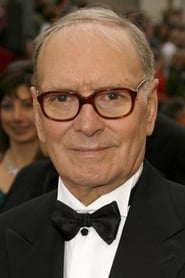
Ennio Morricone

Original Music Composer

Giuseppe Ruzzolini

Director of Photography

Marcella De Marchis

Costume Design

Luciano Puccini

Production Design

Roberto Capucci

Costume Design

Gallery

Reviews

CinemaSerf

6/3/2023

7.0

Nowadays, when I see Terence Stamp, I wonder how on Earth he achieved the iconic status he did - until, that is, I watch films like this. He is a sexually enigmatic, enthralling stranger who visits and stays with a wealth family, seducing in turn each member of the family - boys and girls; hell even the maid - before finally the father then he departs leaving their hitherto functional, if not entirely fulfilled, family with gaping holes in their existence. The sex theme is prevalent, but PP Pasolini also encourages us to look at the psychology of the people, what makes them tick - their desires - spoken and not; their pent up passions and peccadilloes - all with precious little dialogue - and I say precious because what little there is contributes significantly to the film. Ennio Morricone creates a magnificent audio setting (perhaps not so much the trumpets) for this, ably abetted by Mozart and the gentle but elegant photography set against a backdrop of pretty Lombard scenery makes for a thought-provoking, soul searcher of a film.