














badelf
2/17/2025
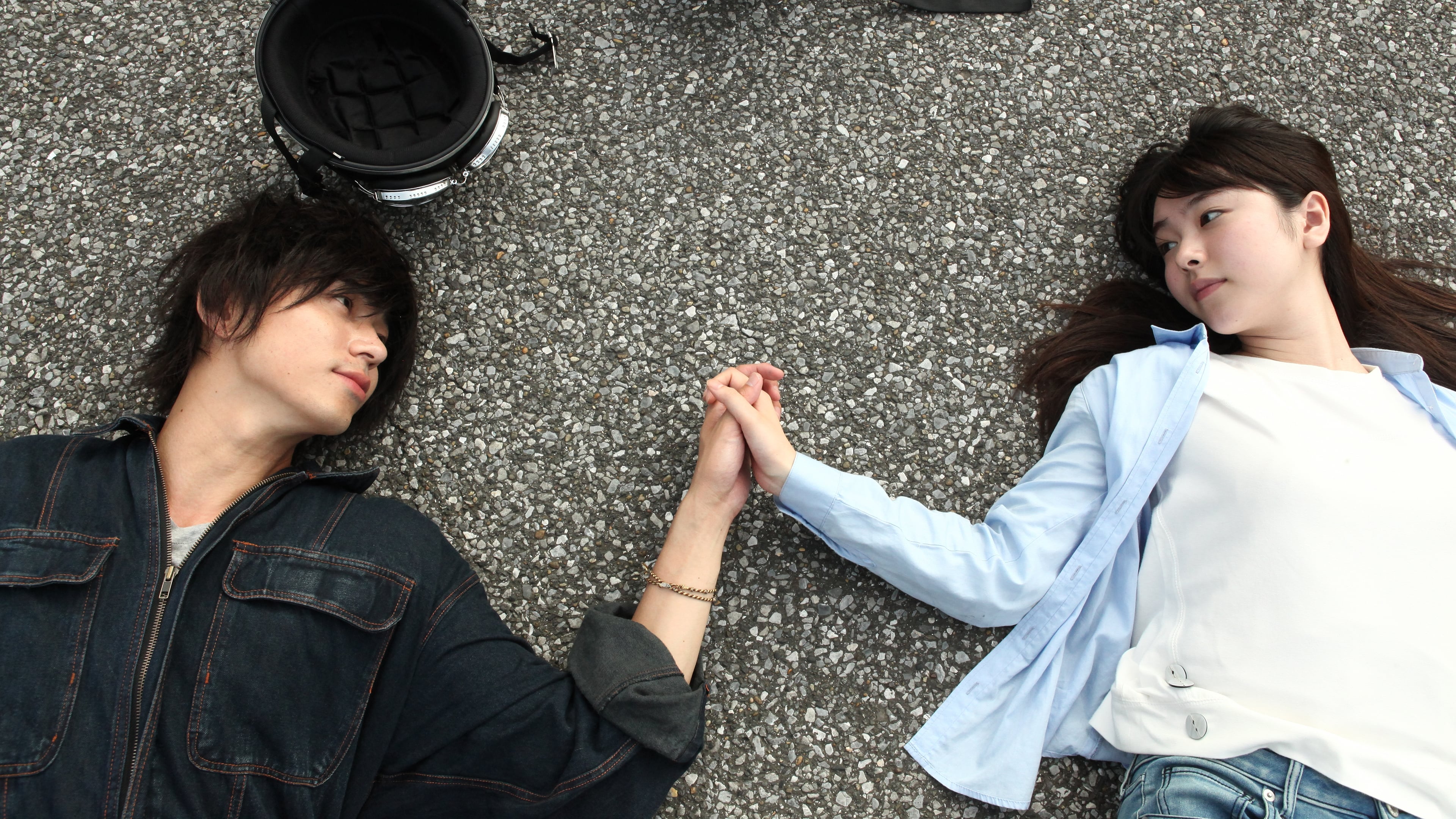
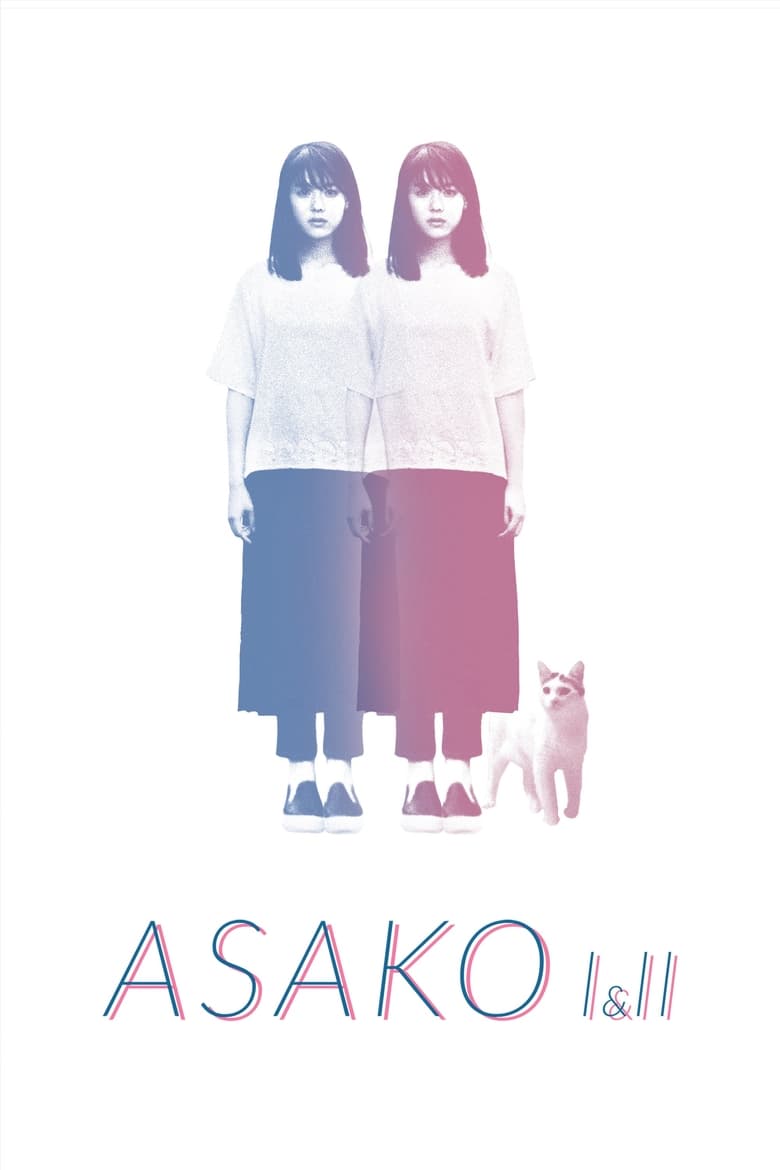
With this film (following Happy Hour), Hamaguchi cements his role as the ultimate diviner of the chaos of human emotion. Few other directors can navigate this terrain with the empathic thoroughness of Hamaguchi. In "Asako I & II", Hamaguchi explores love's most mercurial landscape through a narrative of uncanny resemblance and emotional displacement. The film's subtle genius lies in its exploration of how we construct and reconstruct romantic narratives. A pivotal moment occurs in Shigeo Gocho's photography exhibition, where Asako contemplates a photograph of what appear to be identical twins. This visual meditation becomes a metaphorical key to the film's deeper inquiry: Are we loving individuals, or projections of our own emotional needs? Baku and Ryohei - two men who look remarkably alike but represent radically different emotional territories - become less characters than psychological states. They are what Asako draws to herself via the power of attraction. The truth about the title is that Asako is the real doppelganger, albeit internally. Erika Karata (Asako) does an amazing job conveying her internal pas de deux. Hamaguchi suggests that romantic attachment is less about the specific person and more about our internal emotional choreography. His real directorial brilliance is his refusal to judge - which we will see again in "Drive My Car" - creating a nuanced exploration of how memory, desire, and perception intertwine to create what we call love.