

Feature1969·105m·7.0

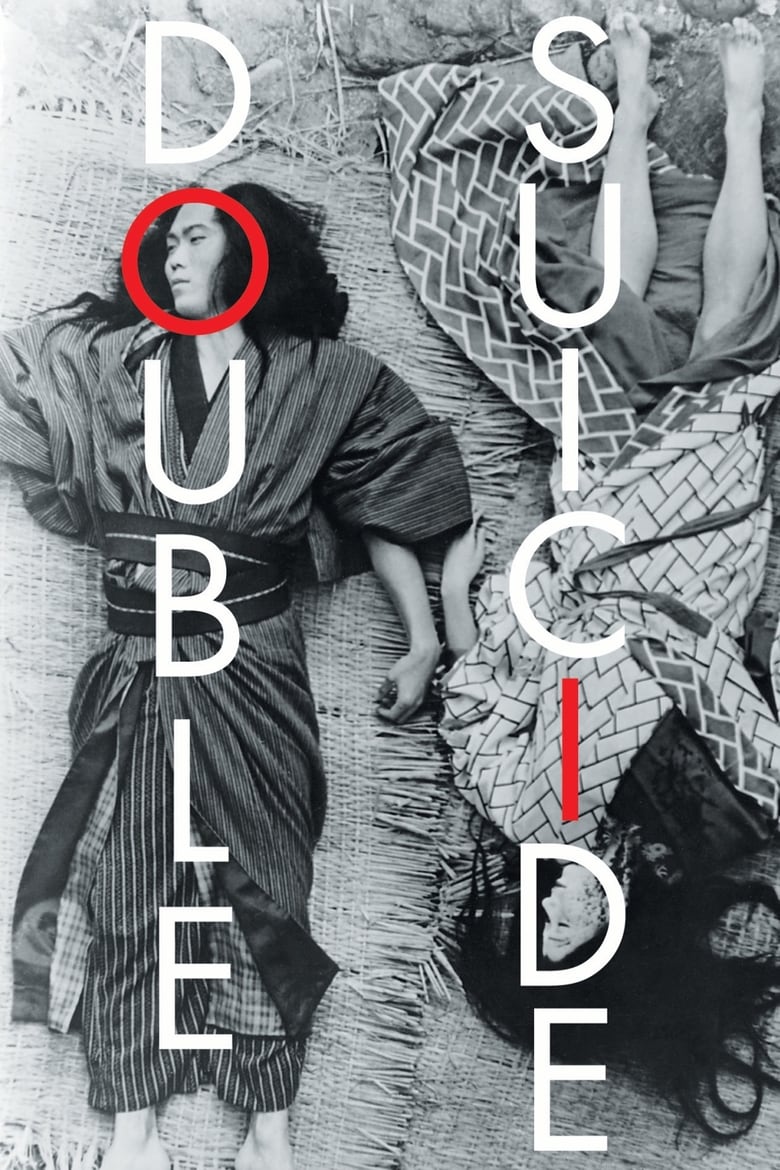
Double Suicide

DramaRomance

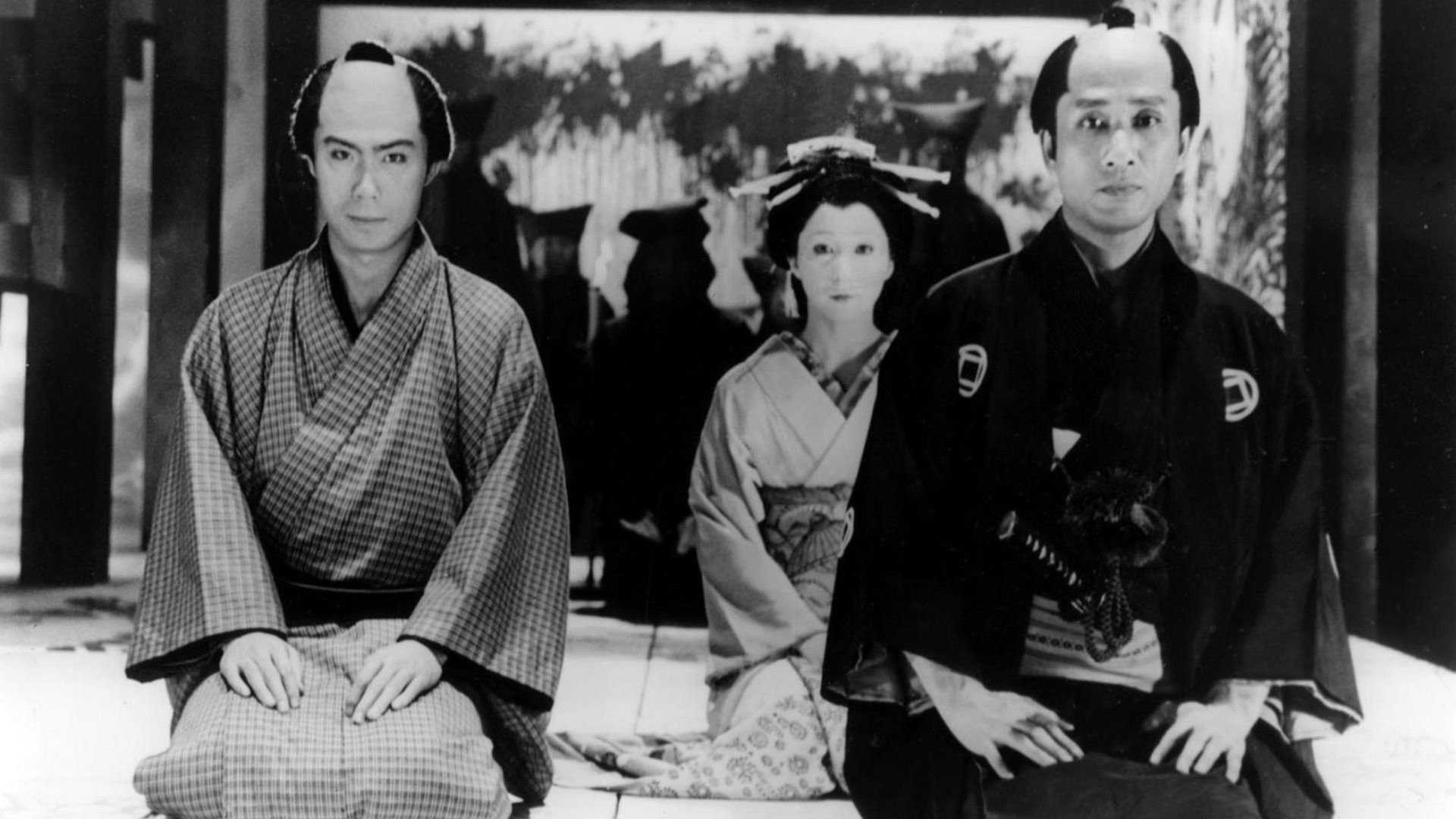
Successful and married with children, paper-mill owner Jihei knows better than to contradict the strict social and moral codes of 18th-century Japan. But when he meets the lovely courtesan Koharu, he becomes a man obsessed. Koharu returns his love, even foregoing other customers while Jihei schemes to somehow buy her freedom. His efforts yield ruinous consequences for his business and his family life, and Koharu is meanwhile purchased by another client.
Play now

Cast

Kichiemon Nakamura II

Jihei

Shima Iwashita

Koharu / Osan

Hōsei Komatsu

Tahei

Yūsuke Takita

Mogoemon

Kamatari Fujiwara

Owner of the Yamatoya

Yoshi Katō

Gosaemon

Shizue Kawarazaki

Osan's Mother

Tokie Hidari

Osugi

Sumiko Hidaka

Proprietress

Takashi Sue

Store Owner

Masashi Makita

Guest

Makoto Akatsuka

Sangoro

Unko Uehara

Otama

Shinji Tsuchiya

Kantaro

Kaori Tozawa

Osue

Jun Hamamura

Masatsugu Makita

Details

Status
Released
Original language
Japanese
Languages
Japanese
Budget
Revenue
Age rating
Quality
4K UHD · HDR10 · Dolby Vision
Production
hyogenshaArt Theatre Guild

Crew

Director

Masahiro Shinoda

Writers

Masahiro Shinoda, Toru Takemitsu, Taeko Tomioka, Monzaemon Chikamatsu

Toru Takemitsu

Original Music Composer

Kiyoshi Awazu

Production Design

Tōichirō Narushima

Director of Photography

Kiyoshi Hashimoto

Costume Design

Gallery

Reviews

talisencrw

9/22/2016

9.0

Even though I'm Christian and have always been brought up considering the act of suicide a 'taboo' subject, I have always held great respect for both the Japanese way of doing so to save face, and the thoroughly romantic notion, say, from the likes of 'Romeo and Juliet' (with Shakespeare's writings being probably the cornerstone of Western thought)--so from two completely different cultural perspectives--that a life without the one you love is not worth living. I had previously only seen two of Masahiro Shinoda's other works for The Criterion Collection--the earlier works 'Pale Flower' and 'Samurai Spy', and I don't know if it was on purpose by the company in selecting the titles, but I marveled at the breathtaking variety of his scripts, all from such a short timespan (1964-69). Being a patron of the theatre (in many different modes) and as anthropologically cosmopolitan in my approach to life as is conceivable, I salute Shinoda with a profound respect, and look forward to investigating as many of his other works as possible.