

CinemaSerf
4/11/2026
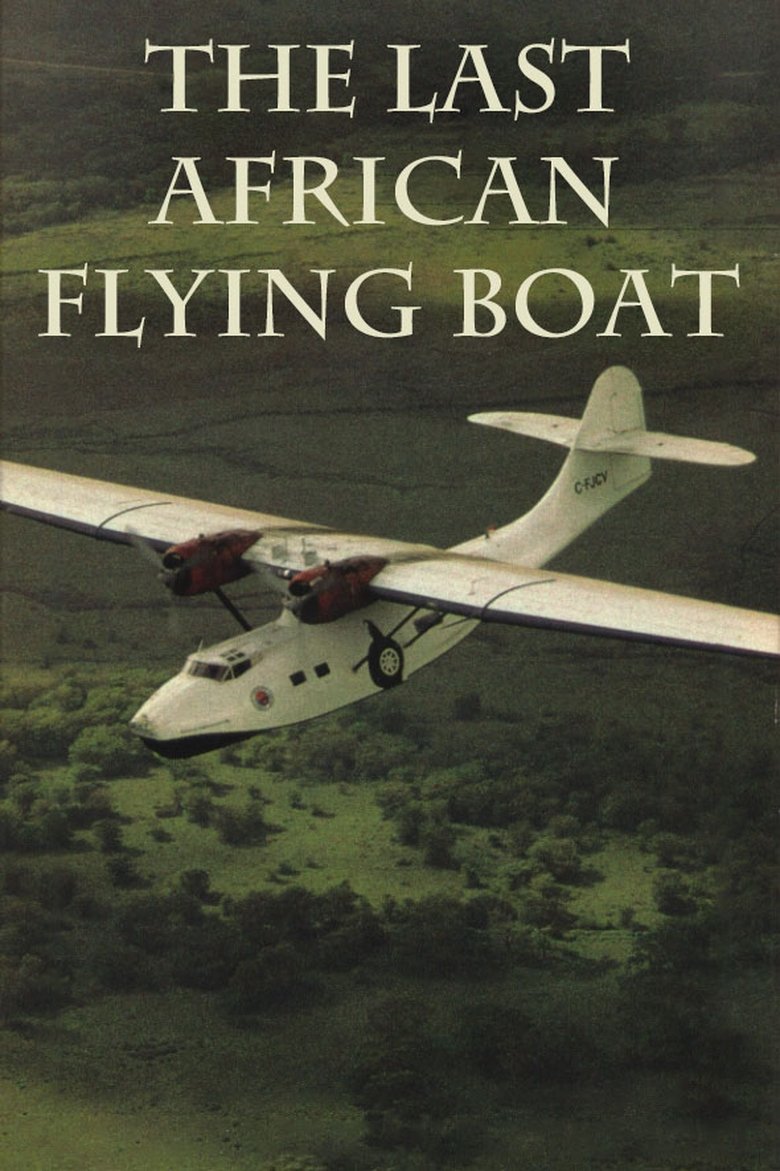
Setting off from Cairo, this quite interesting documentary attempts to follow the route taken by the Catalina flying boats of Imperial Airways from what was still largely British Egypt down the coast to the Cape. The crew consist of an entrepreneur who is paying the bills, a captain (Jim) who is possibly the least communicative man on the continent and journalist Alexander Frater who recalled travelling this route as a child. There are passengers too, some of whom also contribute informatively as they recall not just the colonial aspects of the early 20th century, but also of the effects on the local populations of such impressive and luxurious pieces of engineering. Departing is straightforward enough, as is refuelling in Luxor and farther south in Kenya, but after a birdstrike forces an unscheduled landing in the Sudan we learn a little more of the engines that are powering this cannibalised aircraft and that it is just as likely to fall from the sky of it's own accord as it is to be shot down by some of the SAM-armed militia who occupied the territories between here and the relative safety of Mozambique and thence South Africa. This doesn't dwell on politics or ethics, it's more a slightly romanticised airborne exploration that showcases the beauty, bleakness and dangers of a 1970s Africa and harks back to a day of privileged luxury when intercontinental air travel was in it's infancy.