










Filipe Manuel Neto
4/23/2023
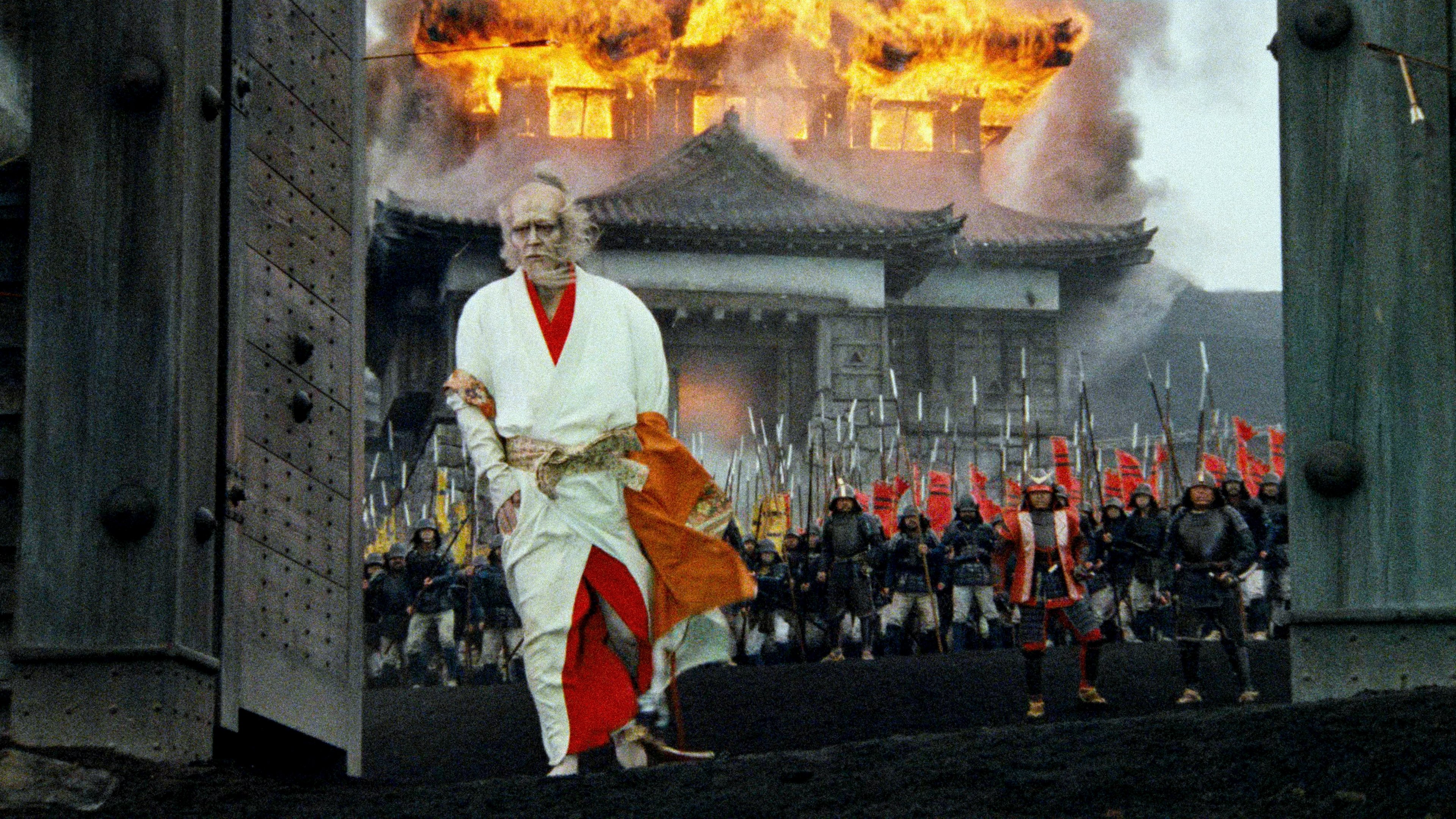
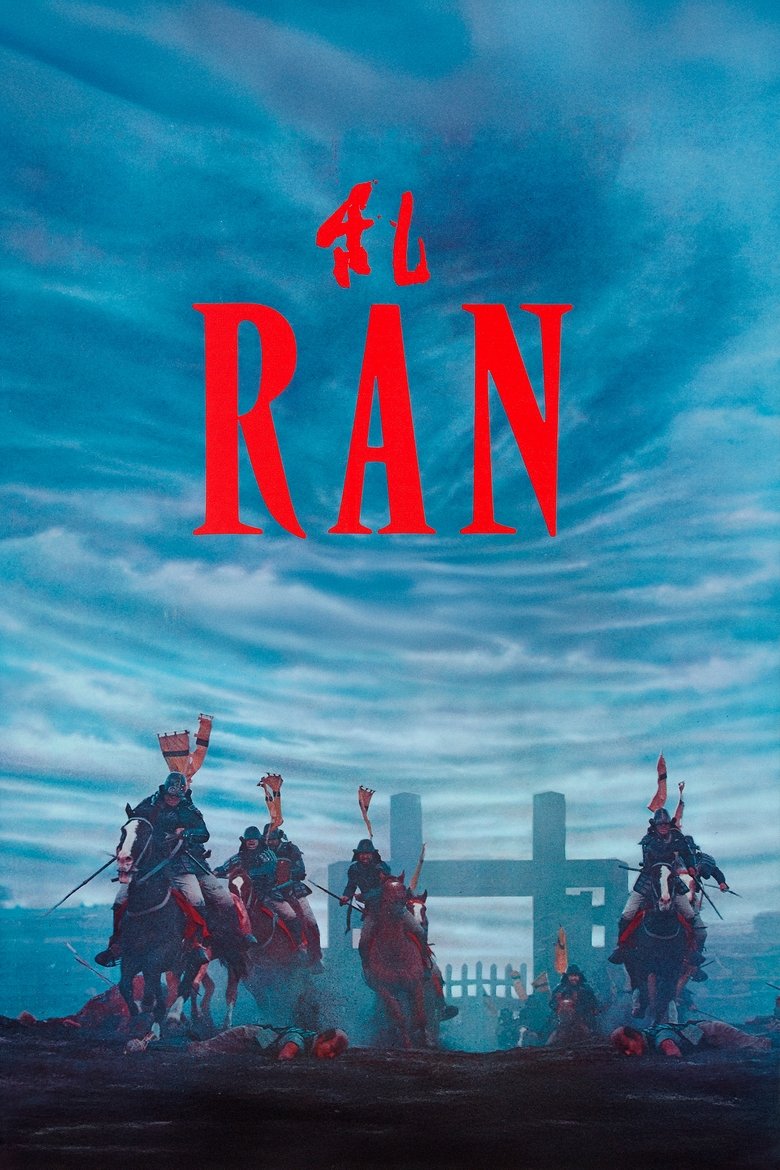
**A good film, full of detail and historical verisimilitude, but painfully long without needing to be.** I've already seen two of Akira Kurosawa's most renowned films and, quite frankly, I still can't understand why this Japanese director is so commonly considered a cinematic genius. His films are quite good, they're meticulous, there's a lot of attention to detail, but they're not particularly unforgettable… that's what I think. This film is an adaptation of the plot of “King Lear”, by Shakespeare: a warlord, in the middle of the Japanese feudal era, decides to withdraw and divide his lands, power and castles among his three sons. Only one of them disagrees and warns him that it is highly unlikely that they will stay together as brothers, which provokes the old father's wrath. However, the future proves true for the younger son's words when the two older brothers despise their father and conflicts begin. Driven mad and accompanied only by a fool, the old man ends up mad while the brothers fight each other. I won't talk about the cast because I don't know these actors. I can only say that they worked well, within the context and the type of film we are talking about. There is an excessive stylization, both in terms of interpretation and in terms of dialogues, which sounds theatrical, forced, but I don't know if that was on purpose. On a technical level, the film has a lot of points in its favor, starting with an excellent cinematography, very colorful and with good lighting. The sets are superb, in particular the castles, recreated to the smallest detail, and the costumes are also good, beautiful and historically credible. I don't think I'll be being unfair if I say that this film probably has some of the best war scenes in period films set in Japan. There is no CGI, special effects have been used judiciously, and the war has been recreated to be as authentic as possible, with hundreds of extras dressed to the nines and a lot of effort on the part of the production. For a historian, you can't ask for more. The big problem with this movie is that it wasn't made to entertain but to make you think, and it's full of scenes and sequences designed to make the viewer think about what they're watching. It's something that would work, if it weren't sometimes overly cryptic. The audience needs to understand what the director wants to convey, and that often doesn't happen. Furthermore, it is a film that does not spare the audience: it starts very well, it ends very well, but everything in between is unbearably prolonged and distended. What could be said or done in two minutes is done in five minutes, and there are a lot of dialogues and scenes that don't seem to have any function other than to make the film take longer.